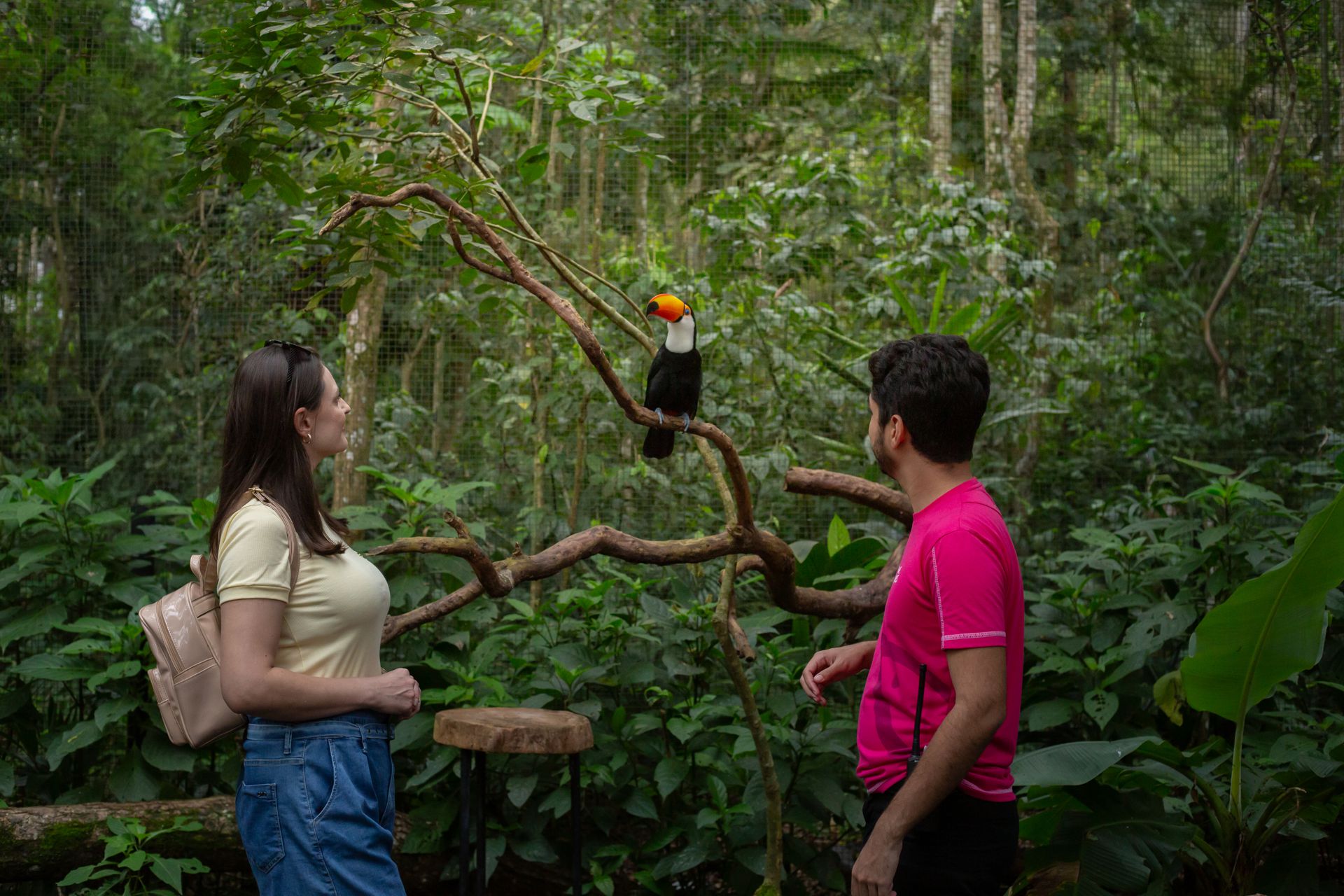
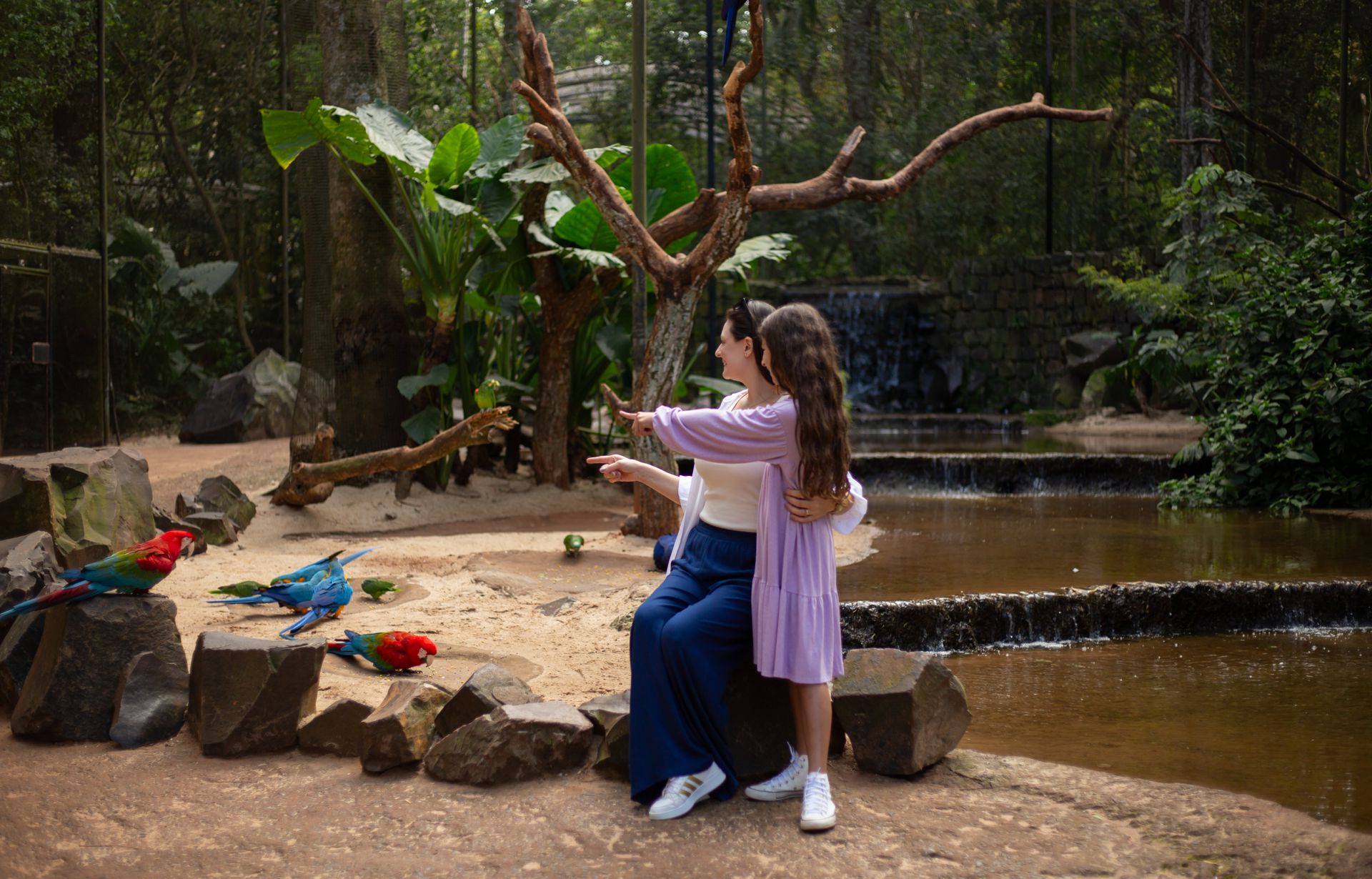
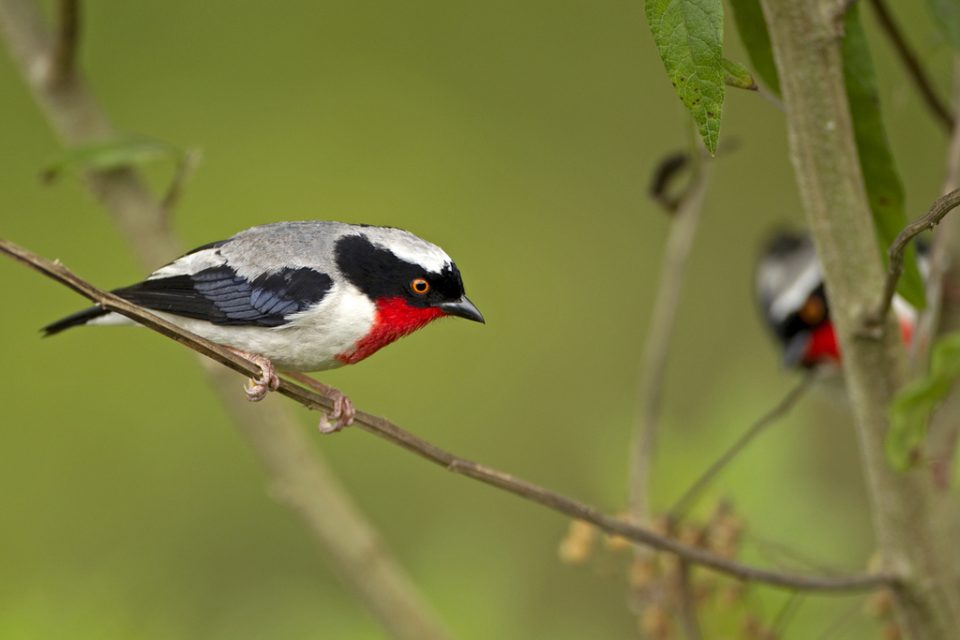
Parque das Aves focuses its efforts on the rescue, shelter, and conservation of Atlantic Forest species.

More than 285 people work at Parque das Aves, including a multidisciplinary team that receives animals rescued from trafficking and mistreatment, which accounts for 50% of the animals living at the Park.

We shelter more than 1,400 animals from 130 species, 90% native to the Atlantic Forest.

We work in partnership with NGOs, universities, other zoos, and public agencies in the conservation of various endangered species.

Learn more about the initiatives that strengthen the conservation of Atlantic Forest species and make this work possible every day.

Recognition and Excellence

Parque das Aves was the first zoo in Brazil to receive international Accreditation from the Latin American Association of Zoos and Aquariums (ALPZA) and, in the same year, also received national certification in Animal Welfare from the Brazilian Association of Zoos and Aquariums (AZAB).

We remain committed to the highest standards of excellence in animal care, maintaining dual certification year after year.

Rescue, Reception, and Specialized Care

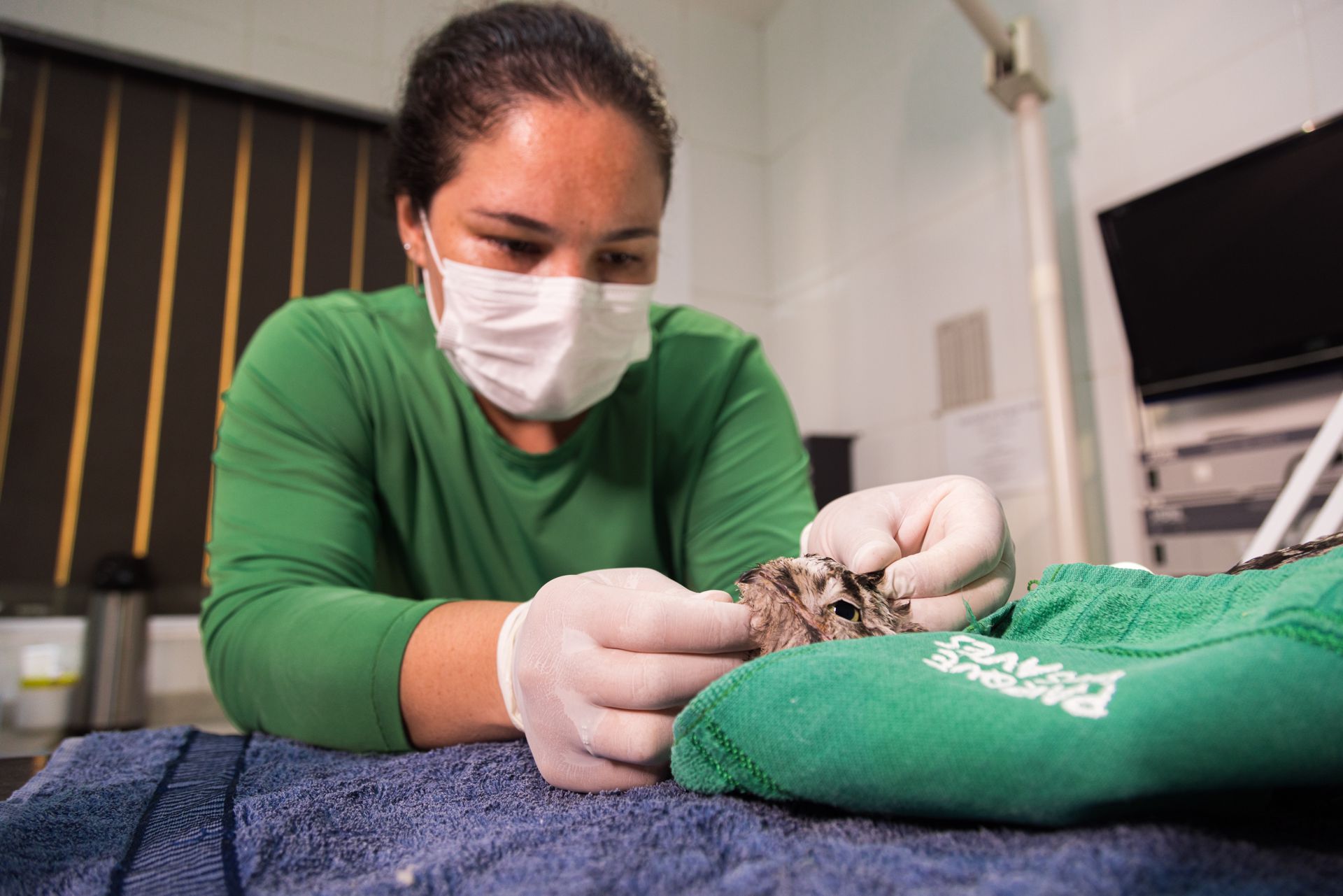
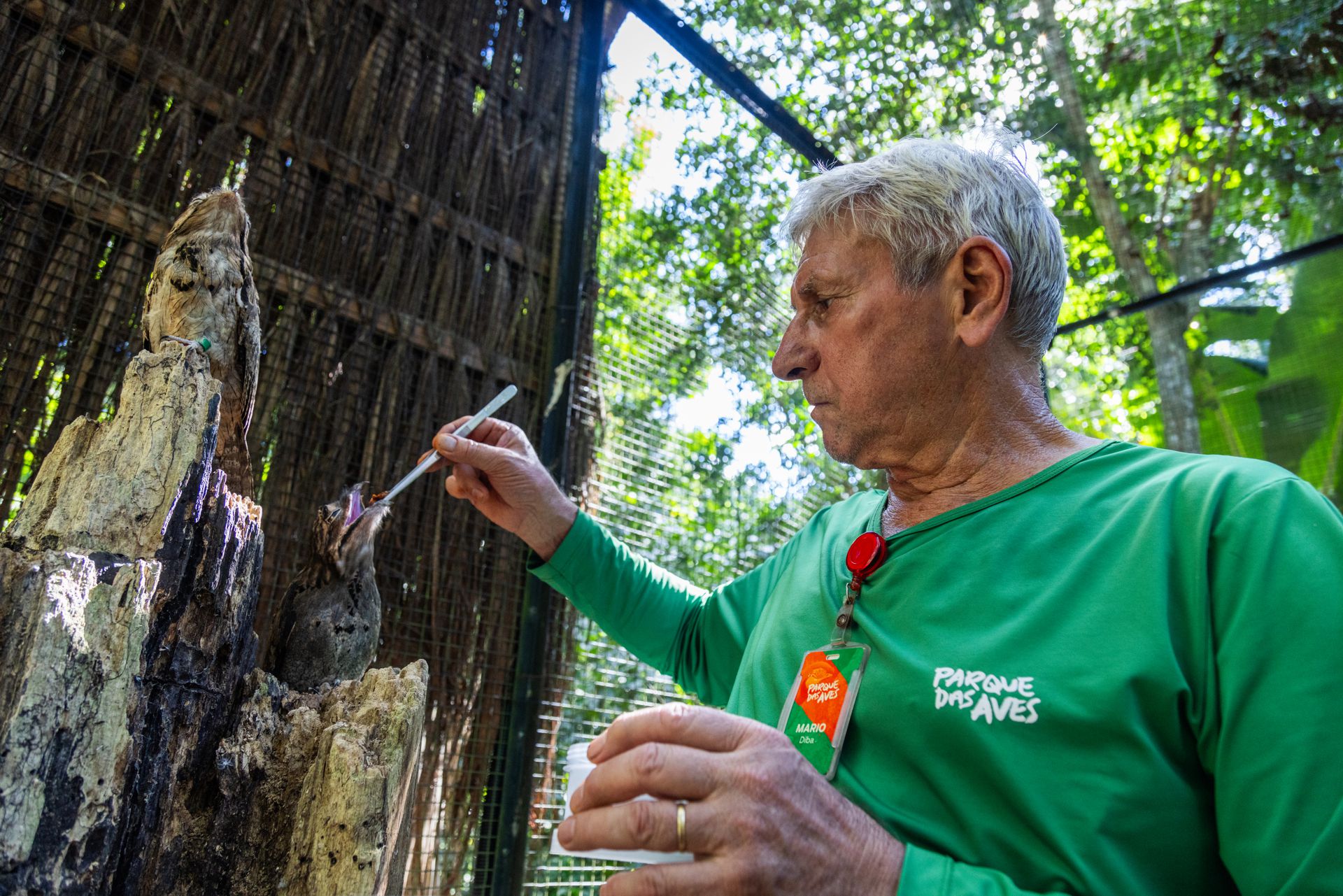
Many of the animals living at the Park have stories of rescue and recovery. Each individual received undergoes technical evaluation, veterinary care, and continuous monitoring by a multidisciplinary team of biologists, veterinarians, zootechnicians, and other technicians, all focused on providing the best possible animal welfare conditions for the animals under the care of Parque das Aves.

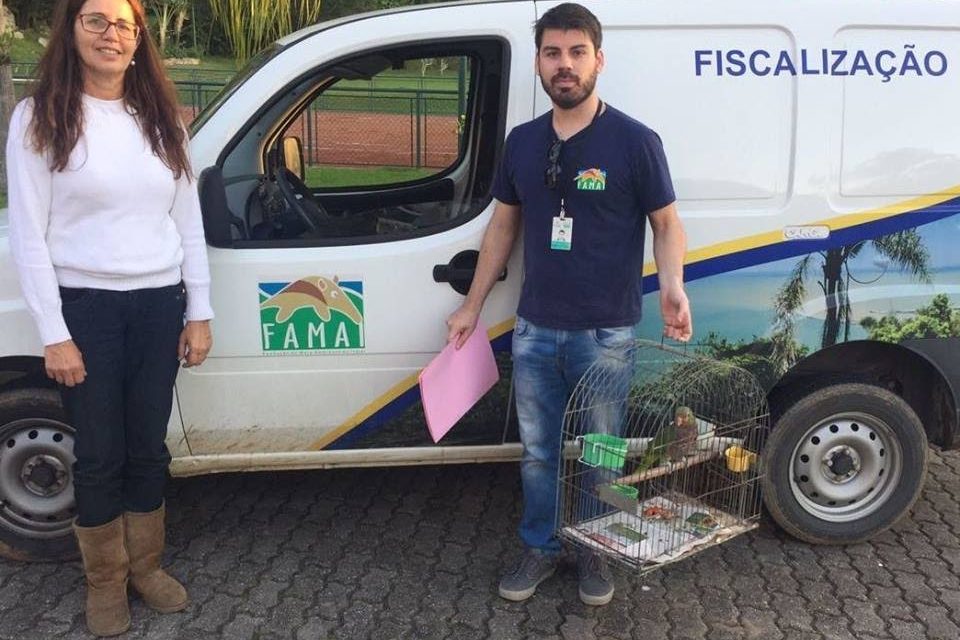
Through an official partnership with the regional environmental agency, Parque das Aves is authorized to receive victimized animals that need treatment and rehabilitation, with the goal of returning them to their natural environment. For this purpose, a specific structure was created to receive these animals, and the Park’s team dedicates its time to the necessary care for each individual.

Today, we shelter more than 1,400 animals from over 130 species, most of them native to the Atlantic Forest. Many of these animals cannot return to nature and find at the Park a safe environment suited to their needs.

Focus on Animal Welfare

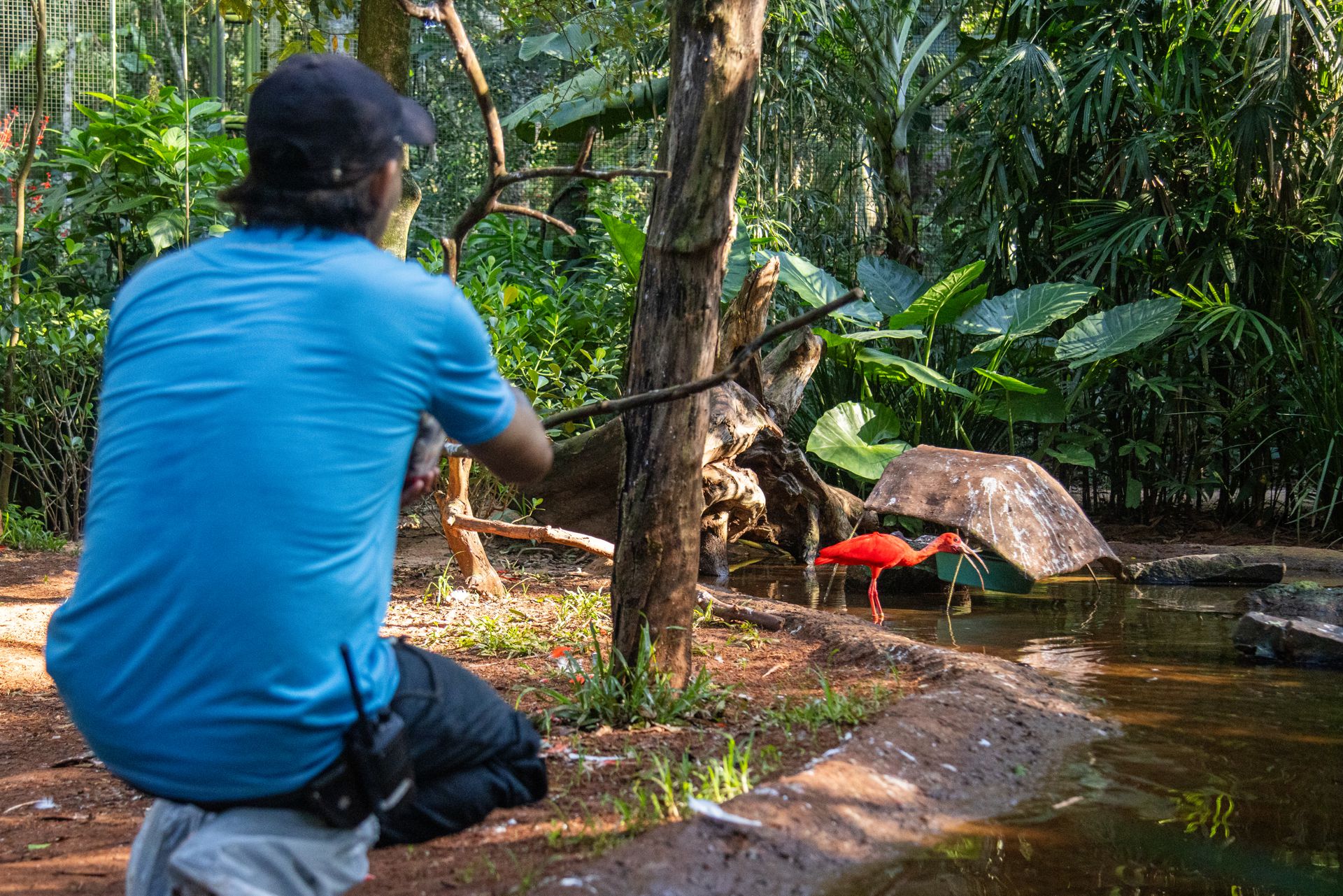
Parque das Aves has a team dedicated entirely to animal welfare actions, working in an integrated manner with other technical specialties, such as management, veterinary medicine, and animal nutrition.

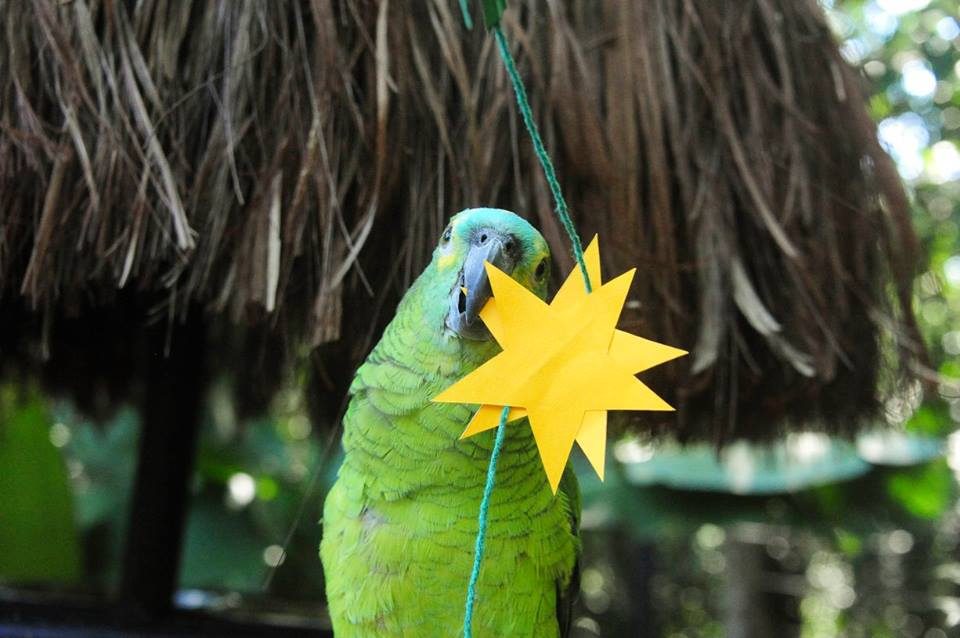
Thousands of environmental enrichment activities, conditioning sessions, and behavioral data collection activities are carried out annually to assess the welfare level of each individual under our care. All activities are analyzed scientifically, ensuring that each animal has the best possible quality of life, displaying natural behaviors and living in a positive and healthy manner.

Conservation and Scientific Research

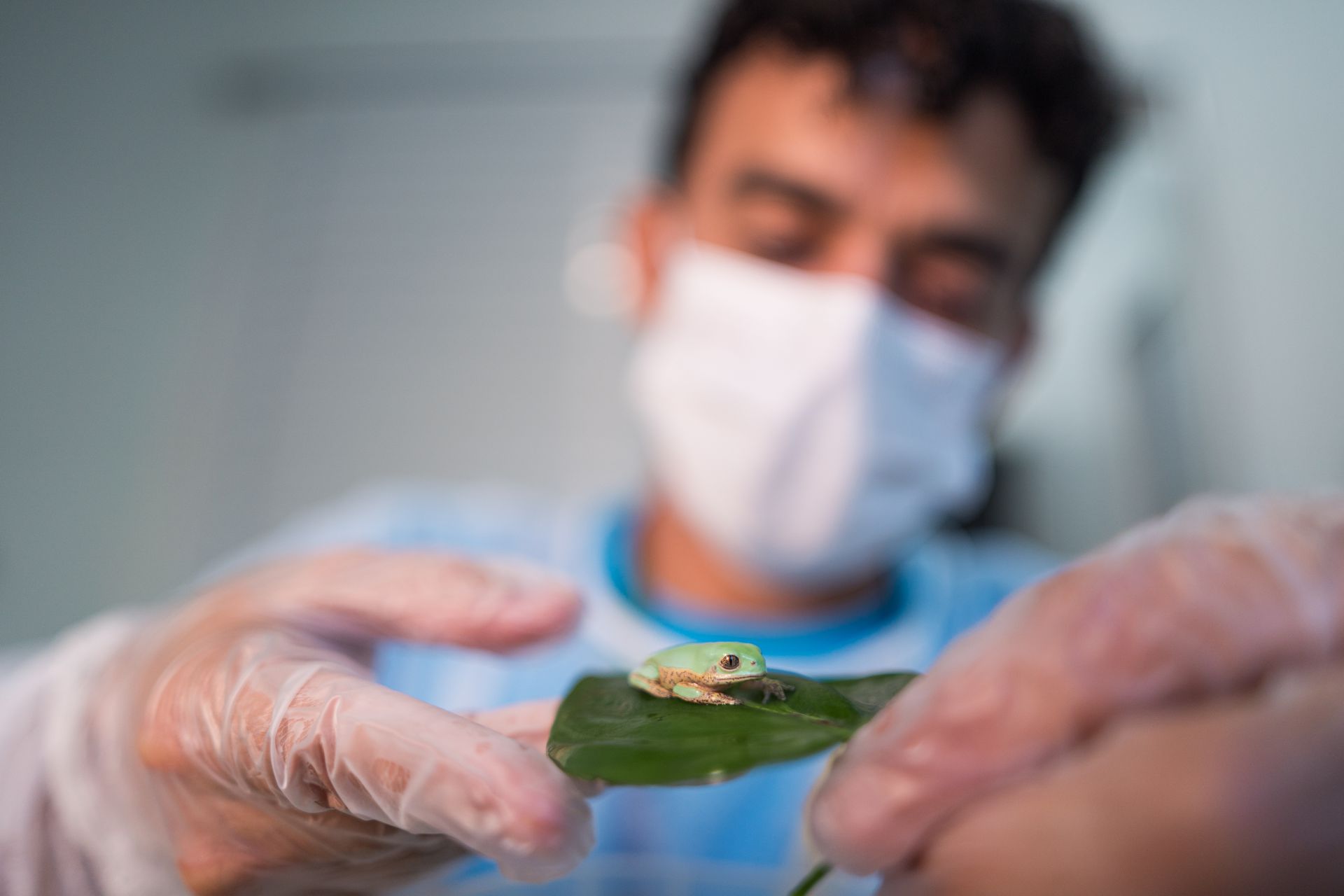
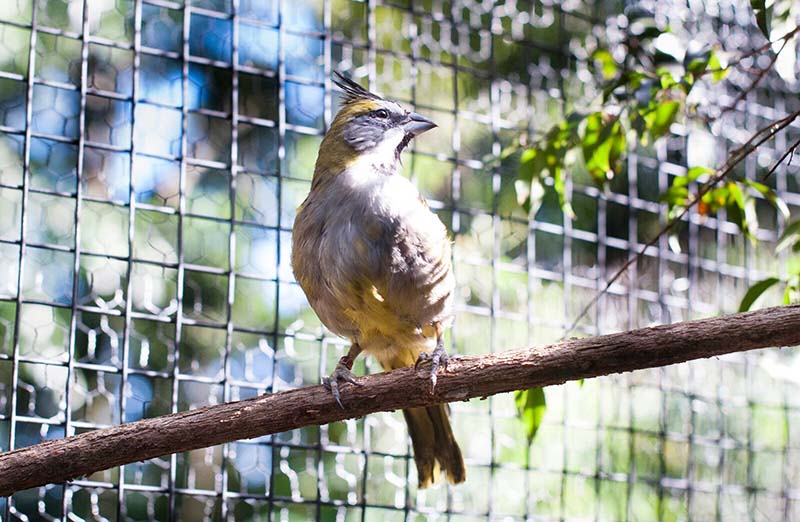
The work goes beyond daily care. Parque das Aves conducts and supports conservation projects for various endangered species, such as the black-fronted piping guan, rusty tree frog, peach-fronted parakeet, blue-eyed ground dove, among others.

Some of these species, such as the rusty tree frog and the blue-eyed ground dove, are critically endangered, at high risk of permanently disappearing from nature. Thus, Parque das Aves’ initiative to work with safety populations for these species brings hope of reversing this situation: we have succeeded in breeding both species, an unprecedented achievement worldwide that demonstrates the commitment and importance of working together with partners toward a common goal.

Parque das Aves also works on breeding species such as the black-fronted piping guan and the peach-fronted parakeet, sending young birds to partner projects that conduct training and release of these species in their natural habitat, reinforcing the population in nature. Through the “Voa, Jacutinga” project, certified by the Latin American Association of Zoos and Aquariums (ALPZA), Parque das Aves actively contributes to the recovery of the species.

We work in partnership with universities, civil society organizations, zoological institutions, and public agencies, strengthening conservation networks that seek to protect species and restore populations in nature.

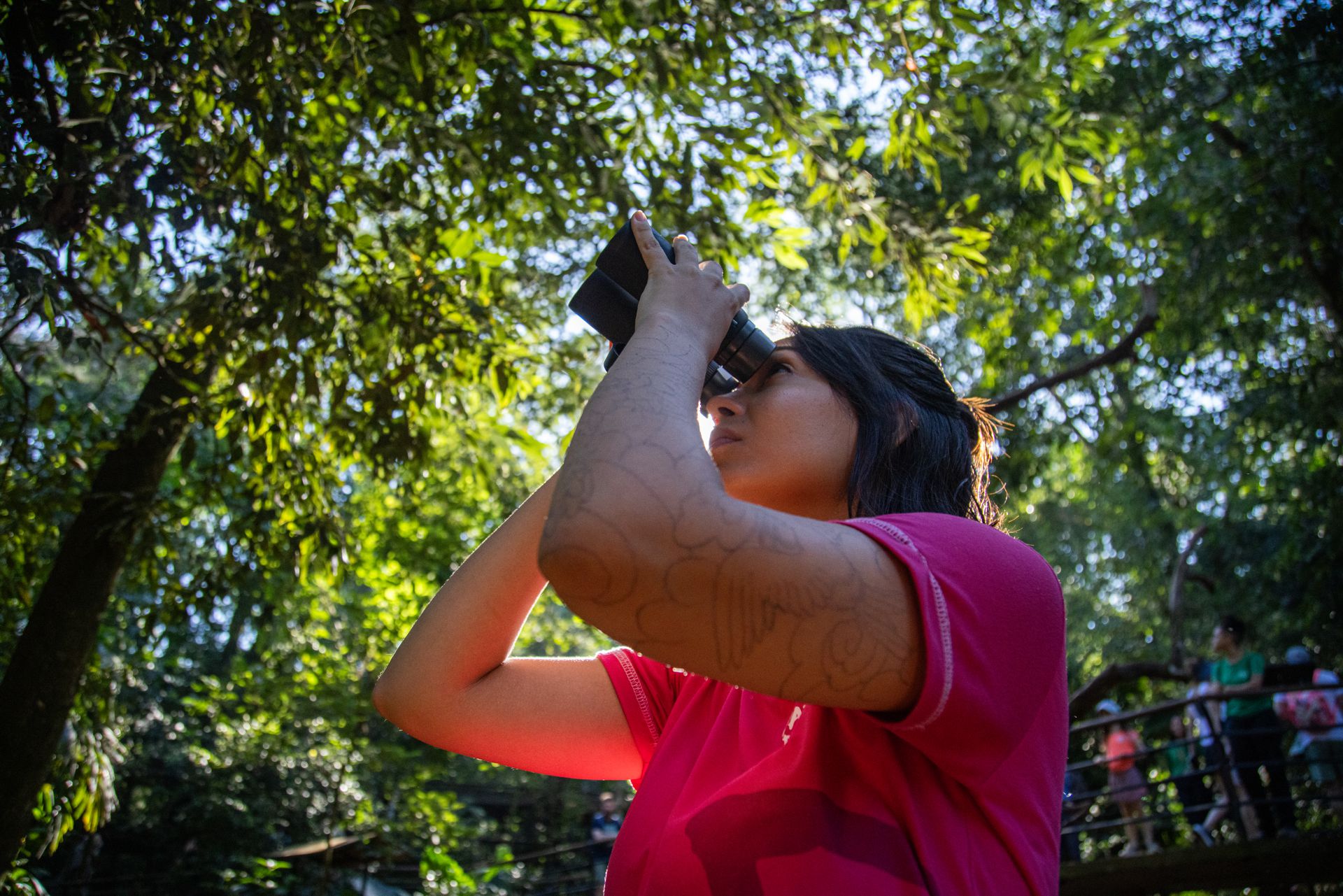
Scientific research guides technical decisions, management, breeding under human care, and strategic conservation actions.

Education for Conservation

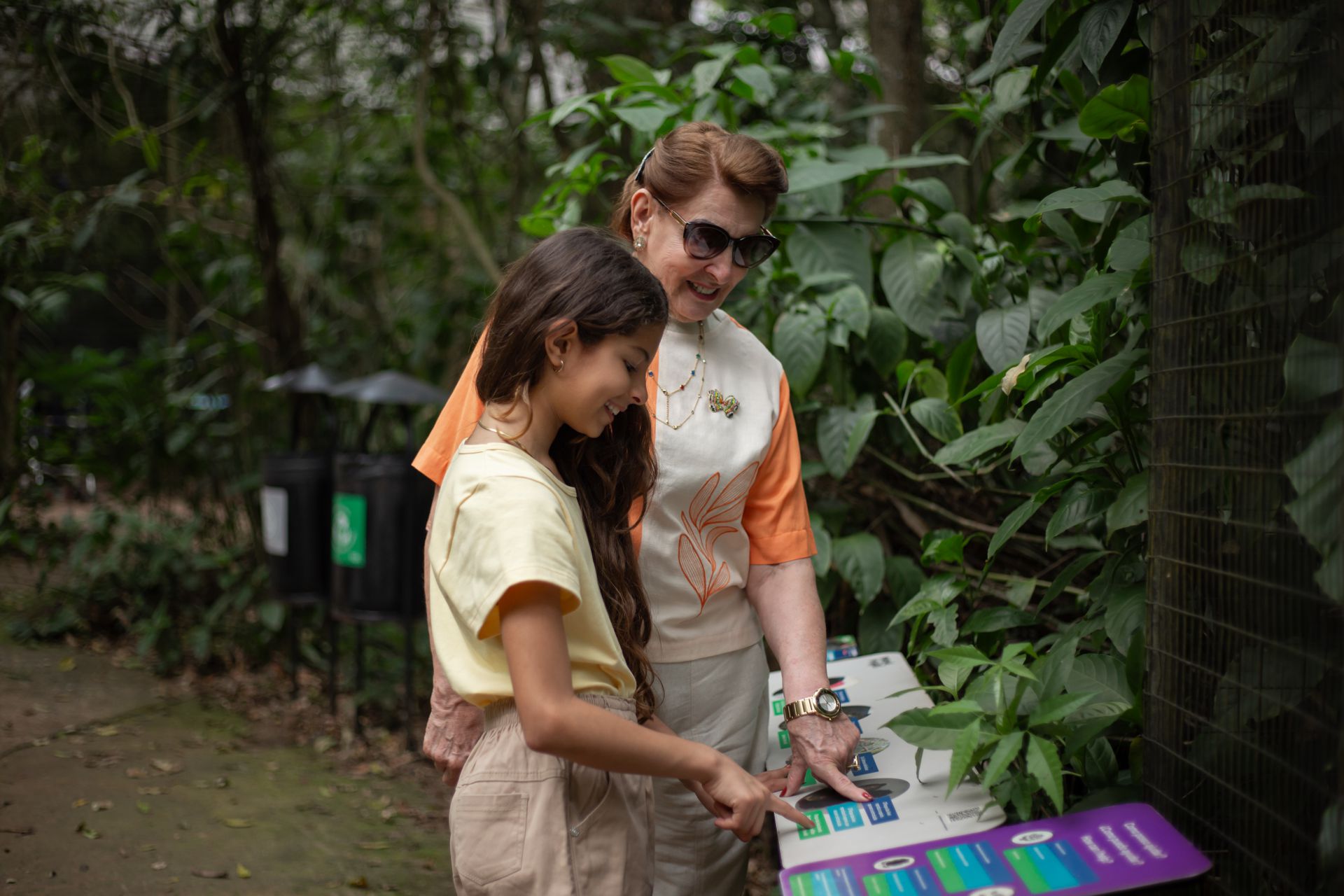
We receive thousands of students every year and develop programs that bring children, young people, and teachers closer to the reality of the Atlantic Forest. We believe that conservation also begins with knowledge and the formation of people aware of their role in protecting nature.

With the “Clubinho Guardiões da Mata Atlântica” program, Parque das Aves contributes directly to the education of children from the local community through carefully designed educational experiences and activities to motivate the incorporation of sustainable actions into family routines, aiming for critical thinking and the development of ecologically conscious citizens.

A Team Dedicated to the Atlantic Forest

More than 285 professionals work daily at Parque das Aves, contributing with different areas of knowledge to ensure technical care, animal welfare, and a respectful connection experience for those who visit Parque das Aves.

In addition to technical areas, various employees contribute directly to our mission, being responsible for infrastructure, procurement of materials and supplies, safety of animals and people, administration, and many other sectors and functions that make the institution’s operation possible.

Each area, from veterinary medicine to maintenance, from education to visitor services, is part of the same purpose: to conserve Atlantic Forest species.

Your Visit Makes All This Possible

Parque das Aves is a private and self-sustaining institution. Revenue from visitation, the Shop, and the Gastronomic Complex supports rescue, conservation, research, and Education for Conservation actions.

By visiting the Park, you not only get to know the species up close. You contribute directly to keeping this work active and strengthening the protection of the Atlantic Forest.